
According to the American Society of Plastic Surgeons, or ASPS, the average breast explant surgery cost is approximately $3,000. This sum is according to the most recent statistics from the ASPS; however, keep in mind that it does not include itemized costs such as the price of your surgical facility, anesthesia, and other miscellaneous items.
Despite the fact that the exact cost of breast explant surgery is quite difficult to estimate (because the very nature of the surgery varies so widely according to each patient’s unique needs), we certainly understand that you want to know how much your surgery is going to cost before scheduling it.
Therefore, we would like to offer an outline of the elements that will make up your overall bill for this surgery. Every plastic surgery can be broken down into individual costs. The cost your surgeon charges, for example, will be separate from the price the surgical facility or hospital charges.
Likewise, anesthesiologists charge their own fees. And then there’s the price of things like compression garments, medications, pre-surgery tests, etc.
Below, we’ll examine each of these costs and explore payment options for patients who are interested in special financing.
How Much Does Breast Explant Surgery Cost?
 Some plastic surgeons may have one single, all-inclusive cost for breast explant surgery. In this case, there are no hidden fees, and everything is lumped into one sum.
Other surgeons may charge a specific surgeon’s fee but then provide an itemized cost breakdown of the additional costs. Regardless of how this surgery is billed, the cost of every breast implant removal surgery can be broken down into the individual costs associated with the procedure, including:
Surgeon’s fee
Your surgeon will charge a fee for their services. This usually includes the cost of consultation appointments, follow-up appointments after surgery, and the actual surgery itself. This fee will vary based on your surgeon’s expertise, geographical location, experience, and the amount of work they put into your care.
For example, some surgeries may last longer than others. The longer your surgeon is in the operating room with you, the more expensive the procedure will be.
Medical test fees
Patients frequently require medical tests prior to surgery. This is usually so that they can be medically cleared for the procedure. Patients will need to pay for these tests themselves.
Surgical facility costs
Most surgical facilities charge a fee, which includes a range of items — from the cost of nursing care, to the cost of the medical tools and equipment used during the procedure, to utility fees, and more.
Anesthesia fee
Your anesthesiologist will be paid separately from your surgeon. They will charge their own fees, which will vary depending on the nature of the anesthesia used and the duration of time you are in surgery and need to be monitored.
Additional post-surgery costs
Finally, additional fees for things like compression garments and medications will also need to be paid for by the patient out-of-pocket. These items are often overlooked because they aren’t needed until after the surgery has been completed.
Additional procedures
You might notice from the breast explant before and after photos you see that some patients have additional work done during their explant surgery. Some opt for liposuction, a breast lift, or even a fat transfer procedure. Naturally, the addition of these procedures will increase the overall cost of surgery.
FAQ: Paying for Breast Explant Surgery
Does insurance cover breast implant removal?
This depends on what insurance provider you have and what plan you have. It also depends on what it is that has motivated you to undergo breast implant removal.
If you are getting your implants removed because you simply don’t like them anymore (the size or shape of them, for example), this surgery would not be covered by insurance.
On the other hand, in some cases, removal of breast implants may be medically necessary. Sometimes, this means the procedure will be covered. It’s certainly worth inquiring with your insurance provider to see if the procedure may be paid for in full or in part.
Is breast implant removal medically necessary?
Sometimes it is, but not always. If you are having one or both implants removed for aesthetic reasons, this means the procedure is not a medical necessity.
On the other hand, if you had a rupture, capsular contracture (fibrous scar tissue around the breast implant), or the development of cancer or another illness near your implants, removal may be a “medically necessary” procedure. This means it may be covered by insurance. This varies from patient to patient and plan to plan, however.
What’s the difference between reconstructive and elective surgery?
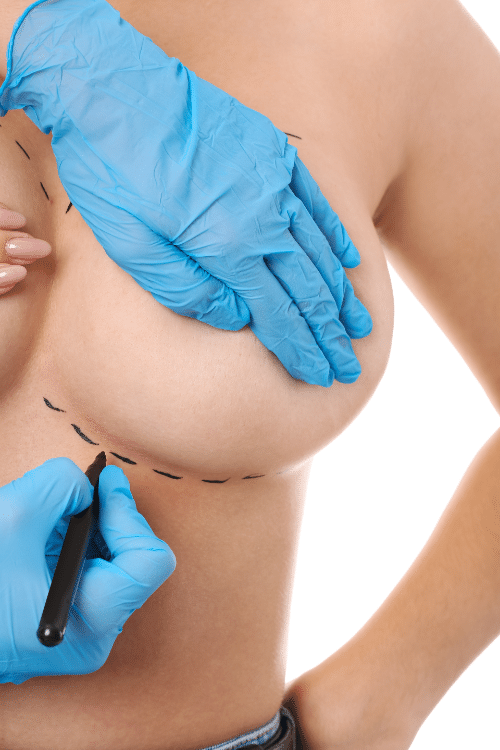
A reconstructive plastic surgery aims to restore appearance and/or function to the individual’s body. Elective surgery is a surgery that is conducted because the patient is unhappy or uncomfortable with a certain aspect of their body. Elective plastic surgery (sometimes referred to as cosmetic surgery) is not medically necessary.
Do you always need a breast lift after implant removal?
No, not always. This really depends on your desired goals and your budget. If it’s within your budget to undergo a breast lift and you feel that you desire a more lifted look after your implants have been removed, a breast lift may be a good option.
Some patients choose another breast augmentation surgery (they have their old implants replaced with new ones). Or, some patients don’t feel they need a lift or added volume. They may have enough natural breast tissue to maintain good breast form and size, and in this case, no additional procedures are necessary.
Contact Us to Schedule a Consultation
To learn more about the cost of breast explant surgery or to find out if you are a good candidate for breast implant removal surgery, book a consultation appointment with female board certified plastic surgeon Dr. Ashley Steinberg today. We’ll also be able to discuss how you can finance your procedure.
We look forward to meeting with you!
References
https://www.plasticsurgery.org/cosmetic-procedures/breast-implant-removal