


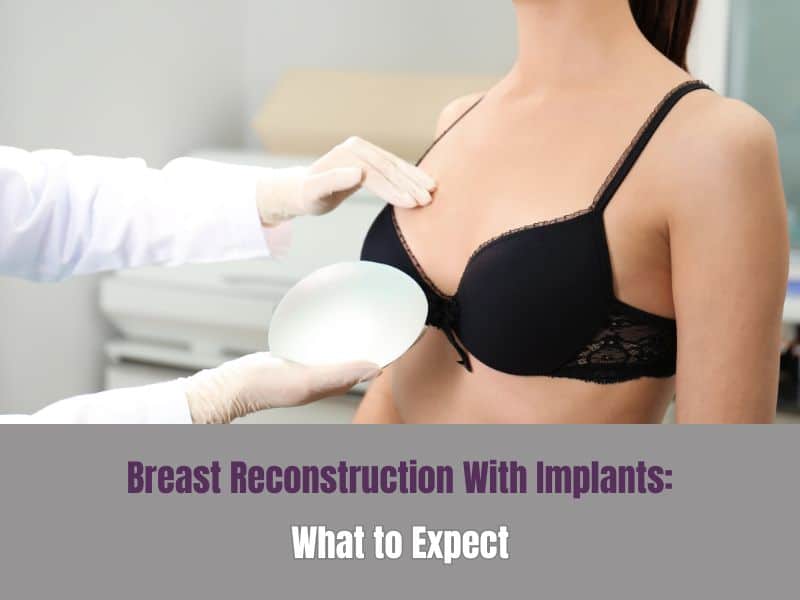
Breast reconstruction with implants is a reconstructive surgery used to rebuild the breast mound after mastectomy or lumpectomy performed for breast cancer treatment. Many breast cancer patients choose implant-based reconstruction because it offers predictable results and a shorter recovery time compared to using their own living tissue.
At Trouvaille Aesthetics & Plastic Surgery – Dr. Steinberg, breast reconstruction helps restore breast shape, confidence, and emotional well-being. There are several reconstruction options available, including implant-based breast reconstruction and autologous breast reconstruction. Each approach creates a new breast that aims to look and feel natural while matching the other breast as closely as possible.
Breast Cancer and Reconstruction

Breast cancer develops in the breast tissue and often requires breast cancer surgery, such as mastectomy or lumpectomy, to remove cancer. Because cancer treatment may include radiation therapy, chemotherapy, or hormone therapy, the timing of breast reconstruction surgery depends on each patient’s medical plan.
Patients may choose:
- Immediate reconstruction, performed at the same time as mastectomy
- Delayed reconstruction, performed months or years later
- Reconstruction after radiation therapy, which may change breast skin quality and affect the approach
A plastic surgeon or breast cancer surgeon reviews all breast reconstruction options and explains how cancer treatment can influence the final outcome. For many breast cancer patients, reconstruction helps restore emotional balance and a sense of wholeness after treatment.
Breast Implants for Reconstruction
Breast implants are one of the most common tools used in implant breast reconstruction. These implants come in different types, shapes, and sizes:
- Silicone implants (filled with silicone gel)
- Saline implants (filled with saltwater solution)
- Textured implants (rarely used today due to safety concerns)
Silicone implants are popular due to their natural feel. Saline implants may be a better option for patients who prefer a firmer breast or want smaller incisions.
Textured breast implants have been linked to a very rare cancer called breast implant-associated anaplastic large cell lymphoma (BIA-ALCL). Because of this, many surgeons now prefer smooth implants for breast reconstruction using implants. Patients should discuss implant choices, benefits, and risks—including implant rupture, capsular contracture, and scar tissue—with their plastic surgeon before surgery.
Breast Implant Reconstruction
Implant-based breast reconstruction can be performed using two main approaches:
Direct-to-Implant Reconstruction
Also called direct to implant or direct to implant breast, this technique places a permanent implant immediately after mastectomy surgery. It is common in patients with good breast skin quality and no need for tissue expansion. This approach may skip the need for tissue expanders and reduces the number of surgeries.
Two-Stage Reconstruction
In this method, a tissue expander is placed first. Over several weeks, the plastic surgeon adds fluid to stretch the breast skin and chest muscle gently. Once enough room is created, the expander is replaced with a permanent implant.
Implants may be placed:
- Under the pectoral muscle (subpectoral reconstruction)
- Above the muscle (prepectoral breast reconstruction), often supported with acellular dermal matrix
Each method has different benefits. Subpectoral reconstruction offers additional coverage over the implant, while prepectoral breast reconstruction avoids animation deformities of the chest muscle.
Delayed Breast Reconstruction
Delayed breast reconstruction is performed after the patient completes cancer treatment, including radiation therapy. Radiation can change the breast skin and chest wall tissue, making reconstruction more challenging.
Patients choosing delayed breast reconstruction may need:
- Tissue expansion
- Additional surgeries
- Acellular dermal matrix for support
- Adjustments to achieve symmetry with the other breast
Even with these challenges, delayed reconstruction can still produce beautiful and natural-looking results. A plastic surgeon will explain the benefits and risks of delayed breast reconstruction and help patients choose the right plan.
Breast Reconstruction Options
There are several types of reconstruction surgery, and patients may choose based on their goals, medical history, and breast cancer treatment:
Implant-Based Reconstruction
Uses breast implants to restore breast shape.
Autologous Breast Reconstruction
Uses own living tissue such as fat, skin, and/or muscle. Techniques include:
- Free flap breast reconstruction
- Tissue flaps from the abdomen, back, thighs, or buttocks
Some patients prefer autologous reconstruction for a softer, long-lasting result, while others choose implants for shorter surgery and recovery.
Combination Reconstruction
Combines implants with tissue flaps for more natural volume or improved breast appearance.
A plastic and reconstructive surgery specialist explains which option fits the patient’s body, previous breast cancer surgery, radiation therapy history, and personal goals.
Breast Surgery and Reconstruction
Breast reconstruction is often performed after:
- Mastectomy
- Nipple-sparing mastectomy
- Lumpectomy
- Preventive surgery for patients at high risk to prevent breast cancer
Reconstruction may involve the chest muscle, the chest wall, and the remaining breast skin. A plastic surgeon places a breast implant or uses tissue to rebuild the breast mound. Patients with moderate-sized breasts or only one breast removed may also undergo surgery on the other breast for symmetry.
Following post-operative instructions helps reduce risks such as infection, capsular contracture, and poor wound healing.
Tissue Expansion for Reconstruction
Tissue expansion is a common step in implant-based breast reconstruction. A temporary device called a tissue expander is placed under or above the muscle. Over time, the plastic surgeon adds saline to stretch the breast skin gradually.
Benefits include:
- Better shape control
- Improved breast mound volume
- More natural breast appearance in patients with tight skin
Patients may feel tightness or pressure during expansion, but this usually improves as the breast skin adapts. Once expansion is complete, a second surgery replaces the expander with a permanent implant.
Nipple Reconstruction and Areola Restoration
After the breast mound is created, some patients also choose nipple reconstruction and areola restoration. These procedures help make the reconstructed breast look more like a natural breast.
Options include:
- Surgical nipple creation
- Tattooing to create an areola
- 3D techniques that mimic natural shadows and texture
Some patients skip nipple reconstruction and choose tattoo-only solutions or no reconstruction at all—every approach is personal and valid.
Preparing for Breast Reconstruction Surgery
Preparing for breast reconstruction surgery begins with a consultation with a plastic surgeon or breast cancer surgeon. During this visit, patients discuss:
- Implant placement options
- Silicone implants vs saline implants
- Immediate reconstruction vs delayed reconstruction
- Nipple-sparing mastectomy eligibility
- Breast skin quality
- Concerns about implant rupture or capsular contracture
- The possibility of second surgery for revisions
Patients also receive pre-operative guidelines to reduce risks and support healing.
Recovery After Breast Reconstruction Surgery
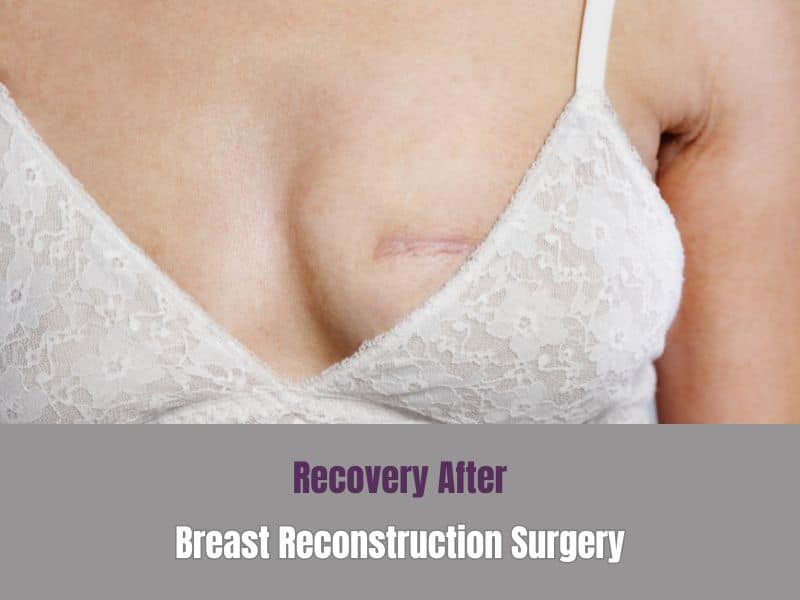
Recovery varies depending on the type of implant procedures used and the patient’s overall health. In general:
- Pain, swelling, and tightness are normal
- Some patients return to daily activities within weeks
- Heavy lifting should be avoided during early healing
- Follow-up visits help monitor the reconstructed breast for issues such as infection or implant rupture
Patients should also understand the possibility of capsular contracture, where scar tissue forms tightly around the implant. While not common, it may require additional treatment or implant replacement.
Most patients begin to see their new breast shape settle over several months. Emotional recovery is also part of the journey, and support from a medical team, loved ones, and counseling resources can be helpful.
Frequently Asked Questions: Breast Reconstruction with Implants
What is Breast Reconstruction With Implants?
Breast Reconstruction With Implants is a reconstructive surgery that uses silicone or saline implants to rebuild the breast mound after breast cancer surgery. This approach helps restore breast shape and appearance using implant placement either under or above the chest muscle. Many breast cancer patients choose this option for predictable results and a shorter recovery period.
How long do breast implants last after reconstruction?
Most permanent implants last many years, but they are not considered lifetime devices. Patients should monitor for implant rupture, capsular contracture, or changes in breast appearance. A plastic surgeon evaluates the reconstructed breast regularly to decide if a second surgery or implant replacement is needed.
Can radiation therapy affect implant-based breast reconstruction?
Yes. Radiation therapy can change breast skin elasticity and chest wall tissue, which may increase risks such as capsular contracture or implant complications. Patients receiving radiation should discuss delayed reconstruction, tissue expanders, or autologous reconstruction with their plastic surgeon.
What are the risks of implant-based breast reconstruction?
Risks include infection, implant rupture, textured implant-associated anaplastic large cell lymphoma (BIA-ALCL), capsular contracture, and changes in breast shape over time. A skilled plastic surgeon explains how to minimize these risks and monitors healing throughout recovery.
How much does breast reconstruction cost?
The cost of breast reconstruction varies based on the surgical technique, whether implants or autologous tissue are used, the surgeon’s experience, and the geographic location. A consultation provides the most accurate estimate for your specific case.
When can I start wearing a bra after breast reconstruction?
Patients are usually advised to avoid regular bras for several weeks. Most surgeons recommend wearing a soft, supportive surgical bra during early healing. Your surgeon will determine the exact timing.
Schedule Your Breast Reconstruction
If you are considering breast reconstruction, scheduling a consultation at Trouvaille Aesthetics & Plastic Surgery – Dr. Steinberg is the best first step.
During your visit, Dr. Steinberg will review your medical history, discuss reconstruction options, explain the benefits of implant-based or tissue-based techniques, and help you understand what to expect at each stage of the journey. A personalized treatment plan ensures your reconstructed breast is designed to match your goals, support your recovery, and restore your confidence with natural-looking results.